Emergency Dentist Ventura: Why Time Matters in Dental Emergencies
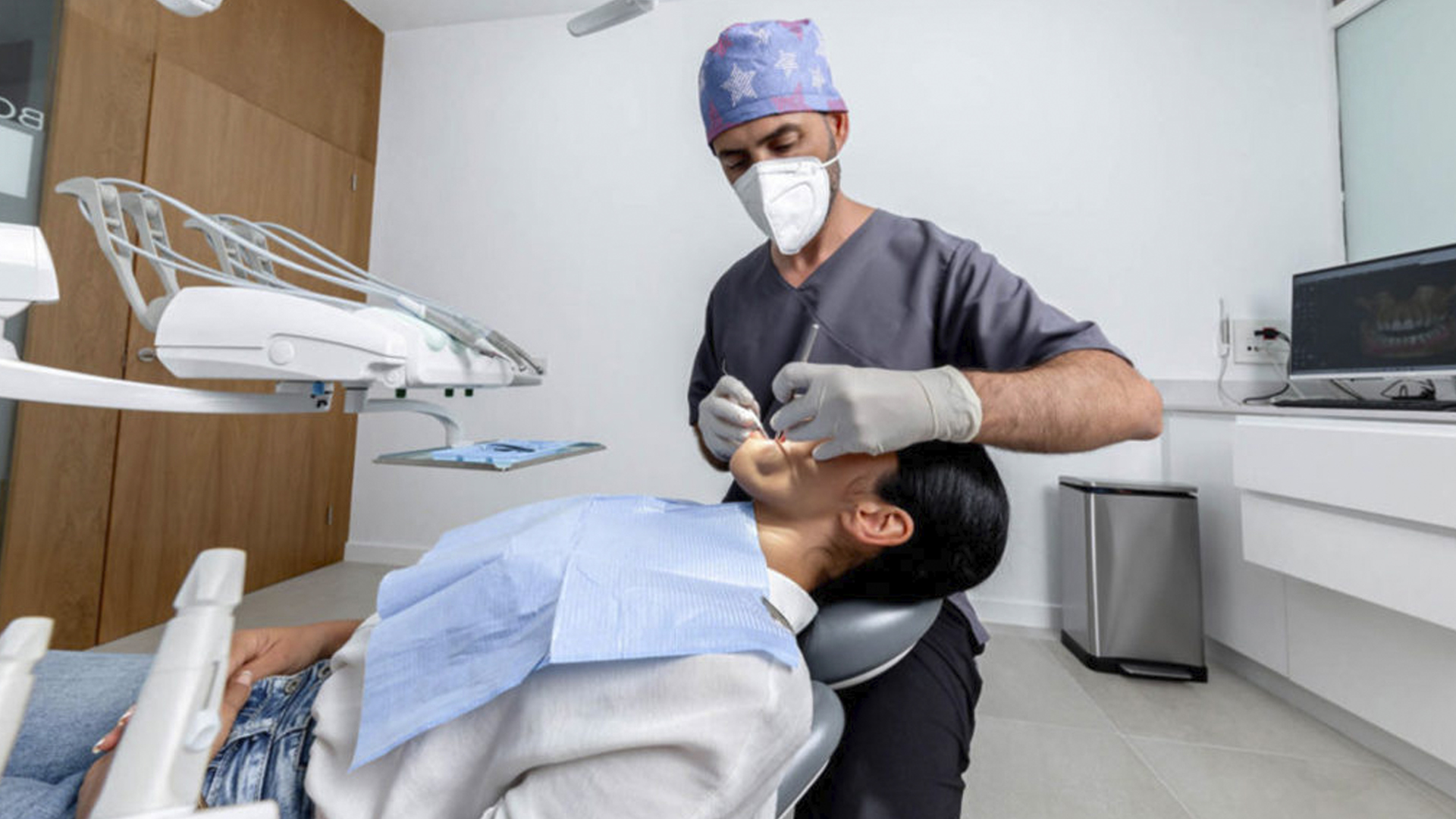

A dental emergency rarely arrives at a convenient hour. It starts with a crack while chewing dinner, a child slipping near the pool deck, a swelling that was annoying in the afternoon and alarming by midnight, or a toothache that shifts from manageable to unbearable in a matter of hours. In those moments, timing matters more than most people realize.
When patients search for an Emergency Dentist Ventura, they are often focused on one thing, pain relief. Pain is certainly part of the story, but it is not the whole story. The real issue is that many dental problems are progressive. They do not stay politely contained while you wait for a better day on the calendar. A small fracture can deepen. An infection can spread. A knocked-out tooth has a short window where saving it is far more likely. Even bleeding that seems minor can point to soft tissue damage that needs prompt care.
Ventura families know how active local life can be. Surfboards, bikes, school sports, hiking trails, hard foods at backyard gatherings, all of it adds up to plenty of opportunities for unexpected dental injuries. Add in the ordinary emergencies that happen everywhere, untreated cavities that flare up, old crowns that loosen, wisdom teeth that suddenly swell, and it becomes clear why emergency dental care is not a niche service. It is a practical necessity.
Dental emergencies are about more than discomfort
People often underestimate the seriousness of oral pain because it is so common. Most adults have had a toothache at some point, and many have learned to push through it with ibuprofen, cold compresses, or a promise to call the dentist next week. Sometimes that delay does not cause lasting harm. Often, though, the body is signaling a problem that benefits from immediate attention.
A tooth does not heal the way a scraped knee does. If decay reaches the nerve, it will not reverse itself overnight. If a fracture exposes the inner layers of the tooth, bacteria gain a direct path inward. If gum tissue is badly inflamed or infected, the surrounding bone can become involved. Once infection or structural damage advances, treatment usually becomes more involved, more expensive, and less comfortable.
This is one reason experienced clinicians treat time as a clinical factor, not just a scheduling issue. A patient who is seen the same day for a cracked filling may need a simpler repair than someone who waits three weeks until the tooth breaks deeper and becomes infected. A person with a dislodged front tooth who gets help within the hour has a very different prognosis than someone who assumes the tooth is lost and waits until morning.
The first few hours can change the outcome
There are few areas in dentistry where the phrase “sooner is better” is more literal. Trauma cases make this obvious, but infections and broken restorations follow the same pattern.
Take a knocked-out permanent tooth. The survival of that tooth depends heavily on what happens in the first 30 to 60 minutes. If the tooth is handled carefully, kept moist, and replanted quickly by a dental professional, the odds improve considerably. If it dries out on a bathroom counter or rides in a napkin for half a day, those odds drop sharply. The difference between saving the natural tooth and replacing it later can come down to an hour.
Abscesses carry a different kind of urgency. A localized dental infection can start as tenderness near one tooth and progress to facial swelling, throbbing pain, a bad taste in the mouth, fever, or difficulty chewing. In severe cases, swelling can affect speaking, swallowing, or breathing. Those are no longer “wait and see” symptoms. That is urgent territory. Dentists and physicians take these signs seriously because oral infections can spread beyond the tooth itself.
The same principle applies to broken crowns, fractured fillings, and deep chips. Patients sometimes feel embarrassed calling right away because the problem seems minor. Yet exposed tooth structure can be exquisitely sensitive, and more importantly, vulnerable. Every meal, every sip of something cold, every night of clenching can make the damage worse.
What qualifies as a true dental emergency
Not every dental problem needs immediate same-hour care, but many need prompt professional judgment. People are often poor judges of severity when they are frightened or in pain, so it helps to think in practical terms.
These situations usually justify urgent evaluation:
- Severe tooth pain that does not ease with basic measures, especially if it wakes you from sleep
- Swelling in the gums, jaw, or face, particularly if it is spreading or paired with fever
- A knocked-out, loose, or displaced permanent tooth after trauma
- A cracked, broken, or fractured tooth with pain, bleeding, or a sharp exposed edge
- Uncontrolled bleeding from the mouth or significant injury to the lips, gums, or tongue
Other problems can also be urgent depending on the details. A lost filling may seem minor if there is no pain, but it can become urgent if the cavity is deep or the tooth is now highly sensitive. A broken denture may not sound like an emergency in a medical sense, yet for an older adult who relies on it to eat, that damage affects nutrition, comfort, and confidence right away. Context matters.
The hidden costs of waiting
Delay has a way of making small problems expensive. That is not marketing language, it is the pattern dentists see every week.
A cavity that causes fleeting sensitivity on cold drinks may only need a filling. Left alone, it can deepen into the pulp and require root canal treatment and a crown. A crown that feels slightly loose can often be recemented or replaced before more damage occurs. Keep chewing on it, and the underlying tooth may crack below the gumline. At that point, the options narrow quickly.
There is also the cost of time lost from work, school, sleep, and daily function. People who postpone treatment often spend days eating on one side, avoiding normal meals, taking repeated doses of pain medication, and trying to concentrate through constant discomfort. Parents of younger patients know how fast a dental issue can disrupt the whole household. A child with a swollen gum or trauma to a front tooth is not just a patient, but a child who may stop eating normally, become anxious at bedtime, or miss class and activities.
One common scenario illustrates the trade-off. Someone feels pressure in a molar on Friday, assumes it can wait, and by Sunday has facial swelling and severe pain. Instead of a straightforward appointment, they now need an urgent visit, possible imaging, medication, time off work, and potentially more invasive treatment. The original tooth did not become more complicated because the calendar changed. It became more complicated because the disease process kept moving.
Why Ventura patients often need quick access to care
Location shapes emergencies more than people expect. In Ventura, active outdoor routines mean dental injuries happen in ordinary settings, not just in organized sports. Falls at the beach parking lot, surfboard strikes, cycling mishaps on weekend rides, and elbow-to-mouth collisions during school athletics all produce the same result, a patient needing skilled care fast.
Seasonal patterns play a role too. Holidays and summer schedules are notorious for cracked teeth because people chew harder foods, travel, and delay care while routines are disrupted. Visitors in town may also need urgent treatment despite not having a local regular dentist. In those moments, access becomes the first concern. An established emergency practice can triage symptoms quickly, guide first aid by phone, and decide whether the patient should come in immediately, later that day, or seek hospital-based care if symptoms suggest a broader medical emergency.
That triage function matters. Good emergency dentistry is not simply making space in the schedule. It is rapid judgment. Is the pain likely pulpal inflammation, a periodontal abscess, a cracked cusp, TMJ strain, sinus pressure, or trauma involving multiple teeth? Does the patient need local treatment, antibiotics, imaging, referral to an oral surgeon, or emergency room evaluation? The value is in sorting urgency from panic and acting accordingly.
What to do before you reach the office
The period between the injury and the appointment can influence the result. Patients often want one simple answer, but the right first aid depends on the problem. These measures are broadly helpful while you are arranging urgent care:
- Rinse gently with warm water to clear debris and help you see the area
- Use a cold compress on the outside of the face for swelling or trauma
- If a permanent tooth is knocked out, hold it by the crown, not the root, and keep it moist in milk or saliva
- Apply clean gauze with gentle pressure for bleeding
- Avoid placing aspirin directly on the gum, which can irritate tissue and does not fix the cause
A few cautions are worth stating plainly. Do not ignore swelling that is increasing. Do not continue chewing on a cracked tooth because “it only hurts a little.” Do not give a child a hard snack after mouth trauma just to “test it out.” And if there is trouble breathing, trouble swallowing, severe facial swelling, or significant injury involving the jaw, that can exceed what a dental office should manage first. Medical emergency services may be the right call.
Pain can be misleading
One of the trickiest aspects of emergency dentistry is that pain does not always correlate neatly with seriousness. Some of the worst infections start with surprisingly little pain and a lot of pressure. Some fractures hurt dramatically at first and then quiet down, even though the tooth is still compromised. Nerve tissue can also become so inflamed that it causes referred pain, making the patient feel that the problem is in the upper jaw when it originates lower, or vice versa.
This is where experience matters. Dentists who regularly handle emergencies learn to pay close attention to symptom timing, triggers, swelling patterns, thermal sensitivity, bite pain, and the story behind the onset. Did the pain begin after chewing ice? Does it come in waves? Is it sharp on release when biting? Is there a bad taste or drainage? Has the patient had recent dental work on that tooth? Those details often separate a cracked tooth from a sinus issue, or a failing filling from an acute abscess.
Patients sometimes apologize for calling “too early.” In practice, too early is rarely the problem. Too late is what creates avoidable complications.
The emotional side of dental emergencies
There is a practical, clinical reality to all of this, but there is also a human one. Dental emergencies are unsettling. Pain around the face and mouth feels invasive and hard to ignore. A broken front tooth can trigger immediate self-consciousness. Parents can feel guilty after a sports injury, even when it was purely accidental. Adults who have postponed routine care often arrive ashamed, bracing for judgment when what they really need is calm, clear help.
The best emergency care addresses that emotional layer without making a performance of it. Patients need straightforward answers. What happened? Is the tooth likely savable? What can be done today? What will have to wait for a follow-up visit? How do we control pain now, and what are the warning signs overnight?
That clarity lowers panic. It also improves follow-through. People are much more likely to protect a temporary crown, complete a recommended root canal, or return for definitive restoration when they understand the reason behind each step.
Emergency care is often the first phase, not the last
An urgent visit solves the immediate crisis, but it does not always complete treatment. This surprises some patients. They come in hoping the problem will be fully finished in one appointment, only to learn that emergency care often has two goals: relieve pain and stabilize the situation.
For example, a dentist may drain an infection, prescribe appropriate medication when indicated, and open the tooth to relieve pressure, then schedule definitive root canal therapy or extraction. A fractured front tooth may be smoothed and temporarily restored that day, followed by a more esthetic long-term repair later. A knocked-out tooth may be repositioned and splinted, then monitored over weeks for healing and possible complications.
That staged approach is not a compromise. It is often the safest and most predictable way to treat urgent problems. The body needs time, swelling needs to settle, and the clinician needs to reassess after the immediate crisis is under control.
Preventing the next emergency
Not every emergency is preventable, but many are. Regular exams catch failing fillings, deepening cavities, gum disease, cracked restorations, and bite-related wear before they turn into urgent pain. Mouthguards reduce sports injuries and can help some patients who clench or grind at night. Replacing old restorations at the right time often prevents the after-hours fracture that sends someone searching for an Emergency Dentist Ventura on a weekend.
There is also a pattern dentists notice with recurring emergencies. Patients who repeatedly “wait until it hurts” tend to have harder treatment paths. Once pain becomes the trigger for care, disease has usually advanced. The patient then associates dentistry with crisis, cost, and discomfort, which makes future delay more likely. Breaking that cycle often starts with one urgent visit handled well, followed by a practical plan for stabilization and prevention.
Choosing the right response when minutes matter
When a dental emergency happens, speed should not mean panic, and calm should not mean delay. The right response is measured urgency. Call promptly. Describe symptoms accurately. Follow first-aid guidance. Get examined before the problem has time to evolve into something larger.
That is the real reason time matters. Early care can preserve a natural https://garrettzsrd045.lakeviewbrief.com/posts/what-families-should-know-about-emergency-dentist-ventura-services tooth, limit infection, reduce pain faster, shorten recovery, and often lower long-term cost. It can also spare patients the stress of turning a manageable problem into a weekend crisis.
For anyone in pain, injured, or dealing with sudden swelling, access to an Emergency Dentist Ventura is not just a convenience. It is the difference between reacting late and intervening when treatment has the best chance to work well. In dental emergencies, that window can be narrower than people think, and once it closes, the options tend to get fewer, not better.
Avra Dental
1708 S Victoria Ave B, Ventura, CA 93003, United States
Phone: +1 805-765-3206
FAQ About Emergency Dentist Ventura
Can the ER do anything for tooth pain?
An emergency department can assess serious symptoms and provide temporary relief, but definitive dental treatment usually requires a dentist. Trouble breathing or swallowing, uncontrolled bleeding, or swelling spreading into the neck requires emergency medical care.
What do I do if I have a dental emergency and no dentist?
Contact a local emergency dental practice promptly, explain your symptoms, and ask about the earliest available assessment. Avra Dental provides emergency dentistry in Ventura; call to confirm availability. If you have life-threatening symptoms or a serious facial injury, go to an emergency department or call 911.
What do I do if tooth pain is unbearable?
Seek urgent dental assessment rather than waiting for the pain to pass. While arranging care, gently rinse with warm water and avoid placing aspirin directly on the tooth or gums. Severe pain with trouble breathing or swallowing, rapidly spreading swelling, or uncontrolled bleeding needs immediate emergency medical care.